
Driven Innovation with AI Real Estate Photography 

In the era of technological evolution, AI real estate photography emerges as a transformative milestone in the field of the real estate industry reshaping the positions of traditional practices. Artificial intelligence could jumpstart productivity, foster processes and optimize business workflow. 

So, what are profound impacts of AI in real estate photography and how it unlocks a win-win situation for real estate business? Let’s get started!

Embracing Future of AI Real Estate Photography 

A report by IBM in 2023 demonstrated that a mere 40% of enterprise-scale companies surveyed have actively  AI adoption in their operation while most of them are considering AI for their future strategy. By embracing the transformative drive of AI, real estate agents can build a future that is brighter, more inclusive, and more prosperous for all. 

Driving Efficiency and Workflow:

The inclusion of the generative fill feature in Adobe Photoshop showcases how AI can optimize and accelerate the process of real estate photography, demonstrating its capabilities in enhancing efficiency. By leveraging AI algorithms, this tool enables service providers to quickly fill in areas of a real estate image that require retouching or enhancement.

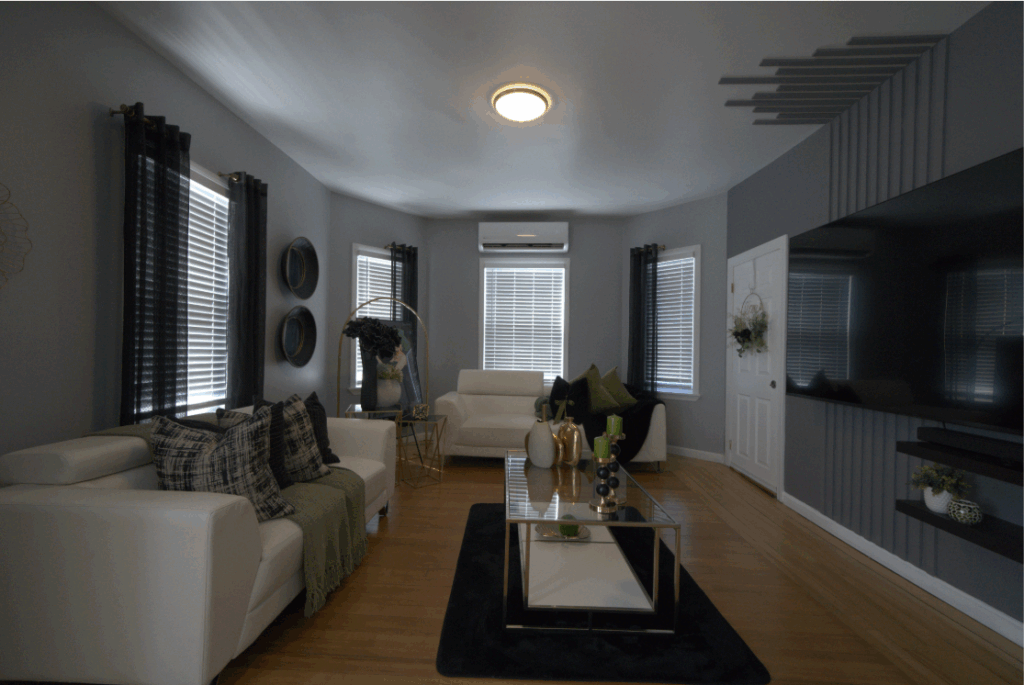
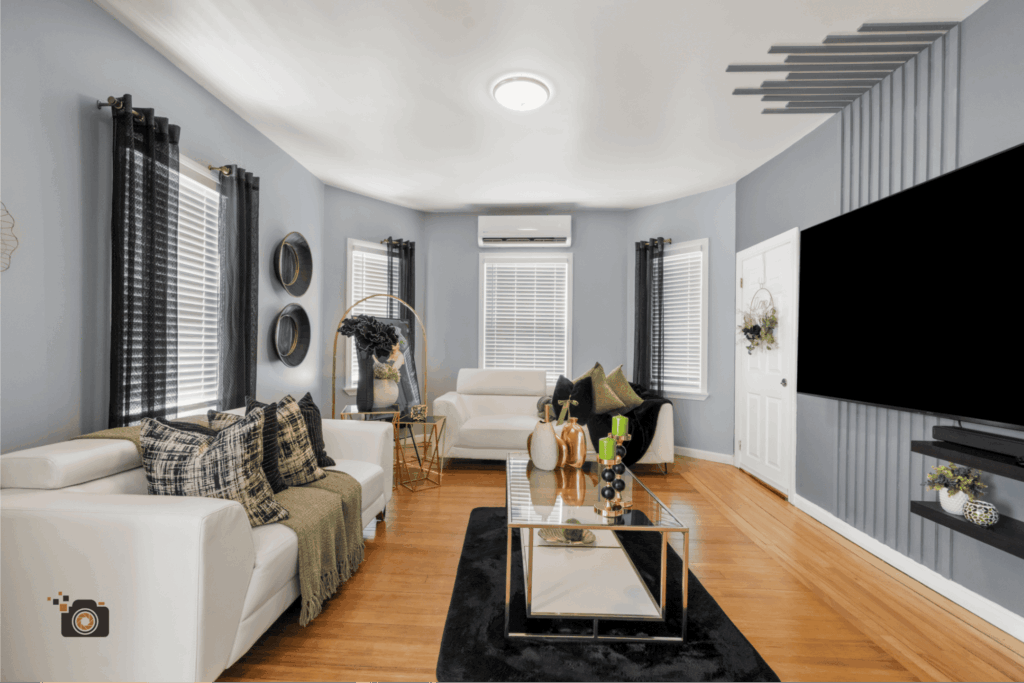
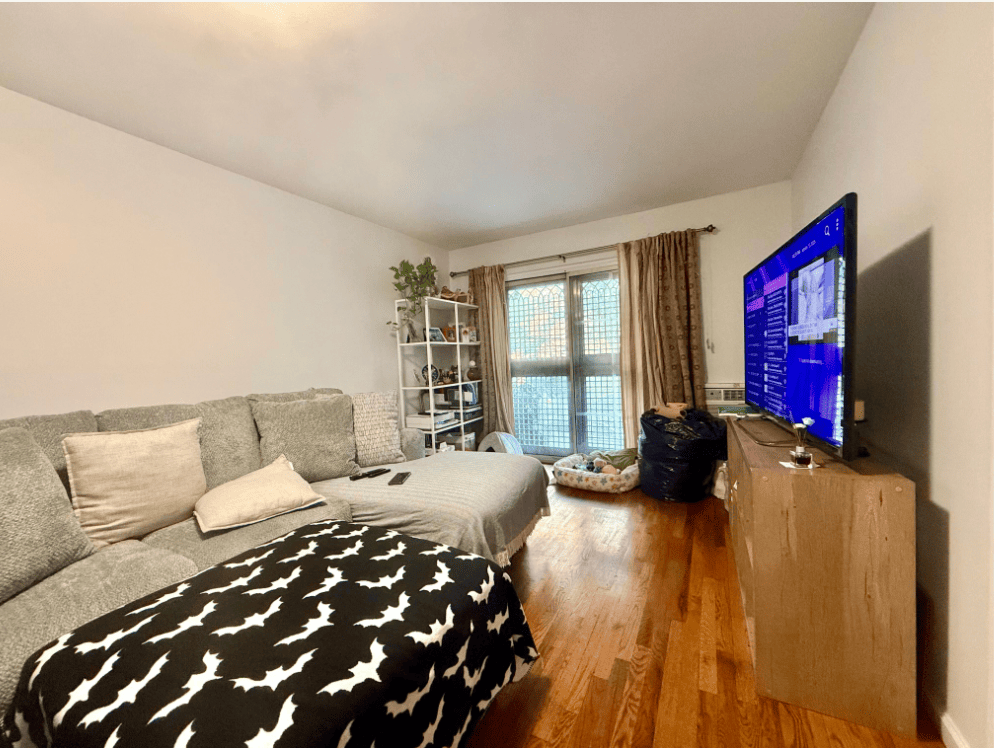
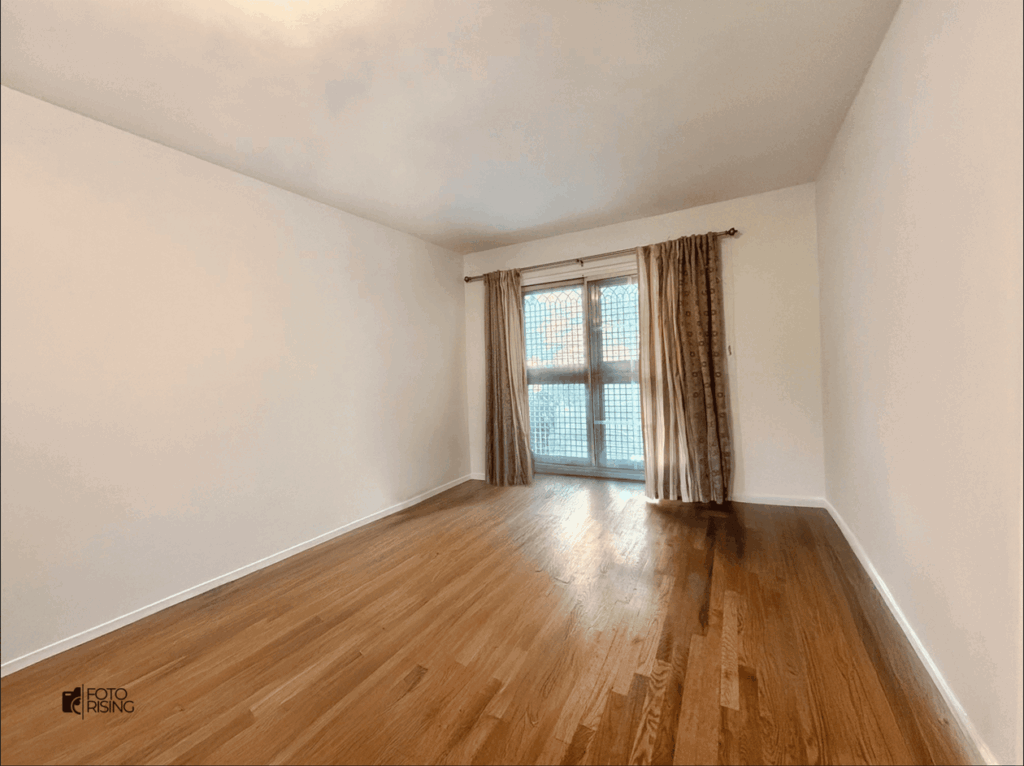
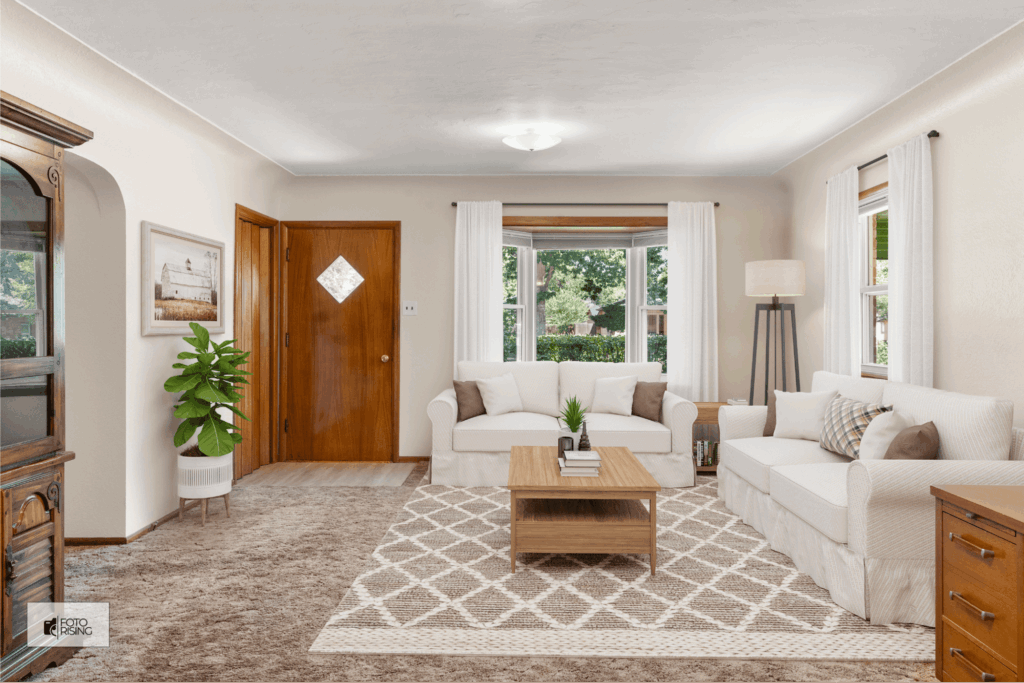
Take, for example, the adoption of AI in real estate virtual staging, which can analyze the dimension and layout of a room and automatically place furniture as well as decor items realistically. These renovations can help buyers or renters visualize the potential of a property and make informed decisions without the need for physically staging the space.

Boosting Visual Appeal and Buyer Engagement:

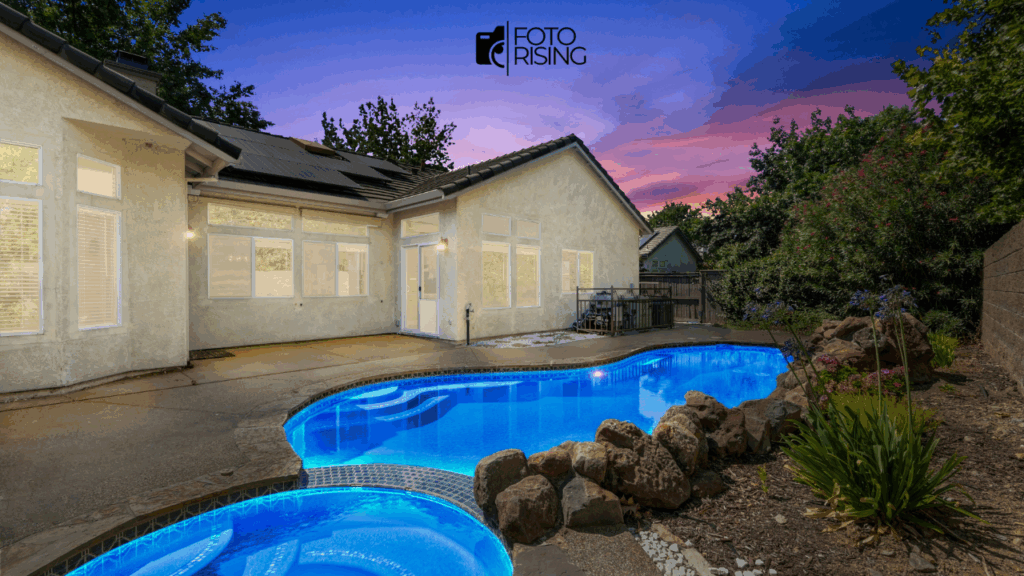
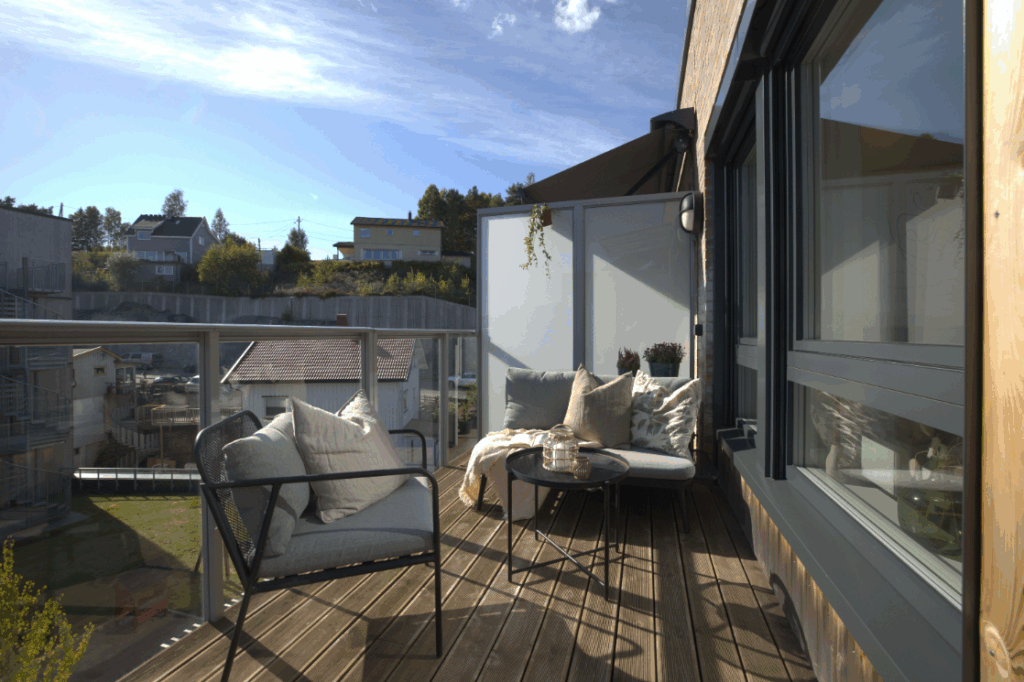
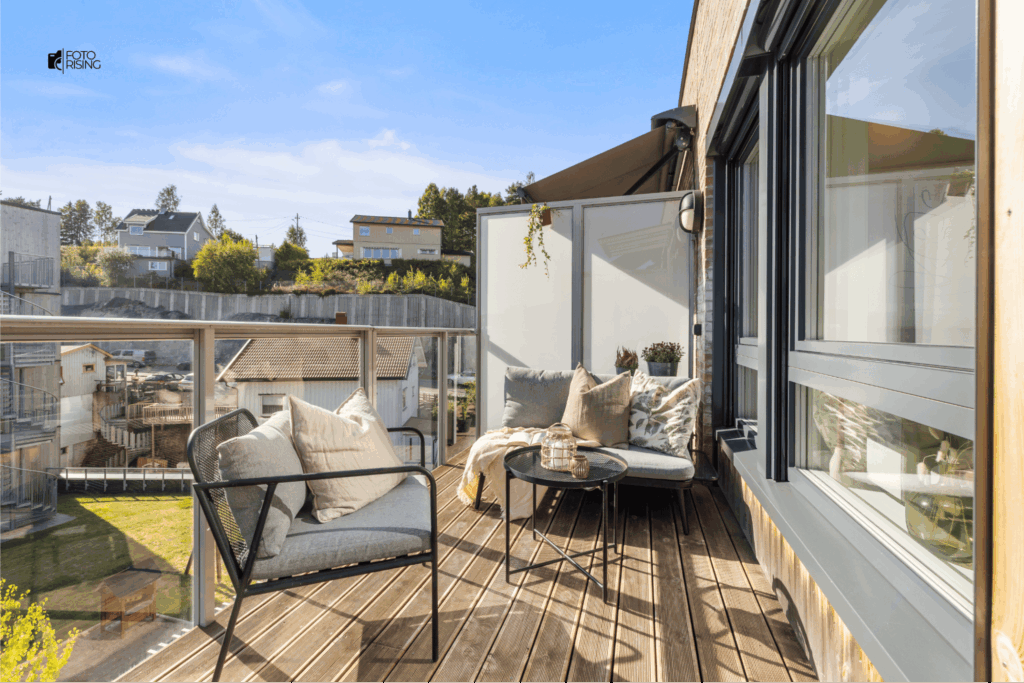
AI-driven enhancements empowers photographers to introduce their property images by adjusting lighting, colors, and contrast. This process can make images more visually appealing and highlight the property’s best features, attracting potential buyers’ attention.

Overall, AI-assisted real estate photography will leverage vats amount of data such as historical sales data, market trends, and buyer preferences, to generate insights and predictions. For example, AI algorithms can learn from a buyer’s previous property searches and suggest listings that align with their interests. This personalized approach will be useful for tailor marketing strategies, pricing, and property recommendations. By providing accurate and targeted information, AI-driven predictive analytics can increase buyer engagement by delivering valuable and relevant content.

Time and Cost Savings:

In fact, most photographers indeed feel exhausted on editing tasks after a long day of shooting image, not to mention the time traveling from property to property. The introduction of AI-powered tools, such as administrative work, prospecting, and data analysis will significantly reduce turnaround time and cost by automating tasks that would otherwise require human resources.

Real estate agents will be able to efficiently handle multiple projects, optimize their operations, and get strict deadlines. This translates into cost savings for the enterprise, who benefit from fast turnaround time and minimizes operational expenses.

>> Read more: The Best Real Estate Photo Editing Company

Win-Win Situation for Service Providers and Real Estate Agents:

AI real estate photography provides service providers and real estate agents with tools and insights that enhance their efficiency, improve customer service, and enable data-driven decision-making.  Virtual assistants help answer all client’s inquiries promptly, provide property information, and assist with scheduling appointments. This improves customer service by delivering prompt and helpful support, even outside of regular business hours. Real estate agents and service providers can focus on more complex and personalized interactions, while AI handles routine inquiries.

By embarking on AI technologies, they can deliver better outcomes for their clients while optimizing their own operations, creating a win-win situation for all parties involved.

Conclusion:

Undergoing rapid transformation, the impact of AI real estate photography in the industry is profound, empowering any real estate providers to enhance efficiency, productivity, increase buyer engagement, and promise substantial benefits.

By embracing AI, highly believe that we can attain a mutually beneficial scenario, delivering outstanding outcomes while maximizing their time, resources, and profitability. The future of real estate photography has arrived, fueled by the power of AI.

Best and Free Way to Speed up Your Real Estate Photography Workflow

Efficiency is critical in the field of real estate photography, where time is of importance and competition is severe. As photographers navigate the digital realm, refining their Real Estate Photography Workflow becomes critical to keeping competitive in the market.
This strategic procedure affects not just productivity but also customer satisfaction and corporate performance. Therefore, understanding the best and free ways to expedite this workflow is crucial for photographers striving to excel in their field.

1. Best Practices for Speeding Up Your Real Estate Photography Workflow

a. Utilizing Technology and Automation Tools

Regarding the current statistics, leveraging technology and automation tools is indispensable for enhancing workflow efficiency. Software and tools tailored for Real Estate Photography Workflow optimization, such as Adobe Lightroom and Photoshop, provide photographers with powerful resources to streamline various stages of the process. By harnessing these tools, photographers can not only expedite the editing process but also maintain the quality and consistency of their output. Integrating technology smartly into the workflow significantly saves time and elevates the overall efficiency of the process.

b. Organizational Strategies

Effective organization serves as the backbone of an efficient Real Estate Photography Workflow. Adopting smart organizational strategies is essential for photographers to navigate through the plethora of files and documents seamlessly. Implementing tips for file organization and management ensures that photographers can easily locate images and documents, thereby minimizing time wastage. Establishing a standardized workflow process fosters consistency and reduces the likelihood of errors or oversights. By strategically incorporating organizational strategies, photographers can optimize their workflow and enhance productivity.

c. Time Management Techniques

In the fast-paced world, mastering time management techniques is imperative for maximizing productivity. Photographers must develop smart strategies for managing their time during shoots and editing sessions. Setting realistic deadlines and priorities ensures the timely delivery of high-quality work without compromising on quality. By allocating time efficiently and avoiding procrastination, photographers can optimize their workflow and minimize stress. Additionally, integrating time-saving techniques like batch processing further streamlines the workflow, allowing photographers to achieve greater efficiency.

2. Free Resources for Enhancing Your Real Estate Photography Workflow

a. Elevating Real Estate Photo Workflow: Free software and tools

Accessing free software and tools can be transformative. Many software companies offer complimentary versions of their products with limited features, providing photographers with essential tools without financial strain.
For example, free versions of popular editing software like Lightroom or GIMP offer basic editing capabilities that can significantly enhance photographs within the Real Estate Photography Workflow. Additionally, various free tools are available for tasks such as batch resizing or watermarking, all of which can streamline the workflow without requiring expensive software licenses.

b. Improving Real Estate Photography Workflow: Website and Online Resource

The internet serves as an invaluable resource for photographers seeking to refine their workflow. Numerous websites and online communities are dedicated to sharing insights, tutorials, and best practices specifically for real estate photography. These platforms cover a wide range of topics, from shooting techniques to post-processing tips, all within the context of the Real Estate Photography Workflow.
Websites like DPReview or Photography Life offer comprehensive guides and tutorials suitable for photographers of all skill levels. Similarly, online communities such as Reddit’s r/RealEstatePhotography or specialized photo forums provide invaluable platforms for photographers to exchange ideas and learn from one another’s experiences, thereby enhancing their Real Estate Photo Workflow.

c. Optimizing Real Estate Photography Workflow: Free Trials & Resources

Many software companies extend free trials of their premium products, enabling photographers to explore advanced features without financial commitment. By capitalizing on these free trials, photographers can experiment with new tools and techniques to optimize their real estate photography workflow without incurring extra expenses.
Furthermore, some companies offer complimentary resources like presets or templates that enhance productivity and creativity within real estate photography processing. By strategically leveraging these free trials and resources, photographers can remain abreast of the latest innovations in real estate photography, refining their workflow effectively and economically.

Conclusion

Efficiency is the cornerstone of success in real estate photography, and mastering the workflow is essential for thriving in this competitive industry. By implementing best practices and strategically leveraging technology, organizational strategies, and time management techniques, photographers can significantly speed up their workflow and deliver superior results to their clients. Furthermore, by intelligently integrating free resources into their workflow, photographers can further optimize efficiency and achieve greater success in their photography business.


Related post:
The Natural HDR Real Estate Photo Editing- A Step-By-Step Workflow
Take Real Estate Photos With IPhone- 6 Easy Tips For Beginners
HDR Real Estate Photography- How Many Exposures Are Preferred

The Natural HDR Real Estate Photo Editing- A step-by-step workflow

High Dynamic Range (HDR) photography has emerged as a powerful tool for real estate photographers. It allows them to capture the full range of light and shadow within a scene. Not only does this comprehensive guide explore the concept of HDR Real Estate Photos, but also provides a step-by-step workflow to help you master this technique and enhance your real estate photography skills.

1. Overview of The Natural HDR Real Estate Photos 

a. Understanding HDR Photography

High Dynamic Range (HDR) photography aims to capture a broader spectrum of luminosity levels. Additionally, it accurately replicates brightness and contrast variations perceivable by human eyes. Its objective is to surpass the limitations of conventional photography. Consequently, this often leads to information loss in extremely bright or dark areas due to the restricted dynamic range of cameras.

b. The Importance of HDR in Real Estate Photography

In reality, HDR photography offers a solution to the challenge of capturing property essence. Moreover, it allows viewers to see every detail, from hardwood floor textures to natural light variations. By providing a more immersive viewing experience, HDR photography helps properties stand out. This, in turn, increases their perceived value in a crowded market

c. Benefits of Using Natural HDR Techniques

Natural HDR techniques offer several advantages over traditional methods. Moreover, by focusing on creating images with a natural appearance, photographers avoid common pitfalls. Specifically, exaggerated colors and unnatural lighting are among these pitfalls.

Additionally, natural HDR images possess a timeless quality. Not only does this quality appeal to viewers, but it also helps them envision living in the space. Furthermore, by accurately representing the property, trust with potential buyers builds. Consequently, this increases the likelihood of a successful sale.

2. Equipment and Preparation for A Natural HDR Real Estate Photos 

Before embarking on a natural HDR real estate photos shoot, ensure you have the right equipment. A high-quality DSLR or mirrorless camera with manual exposure controls is essential. Additionally, a sturdy tripod stabilizes your shots.

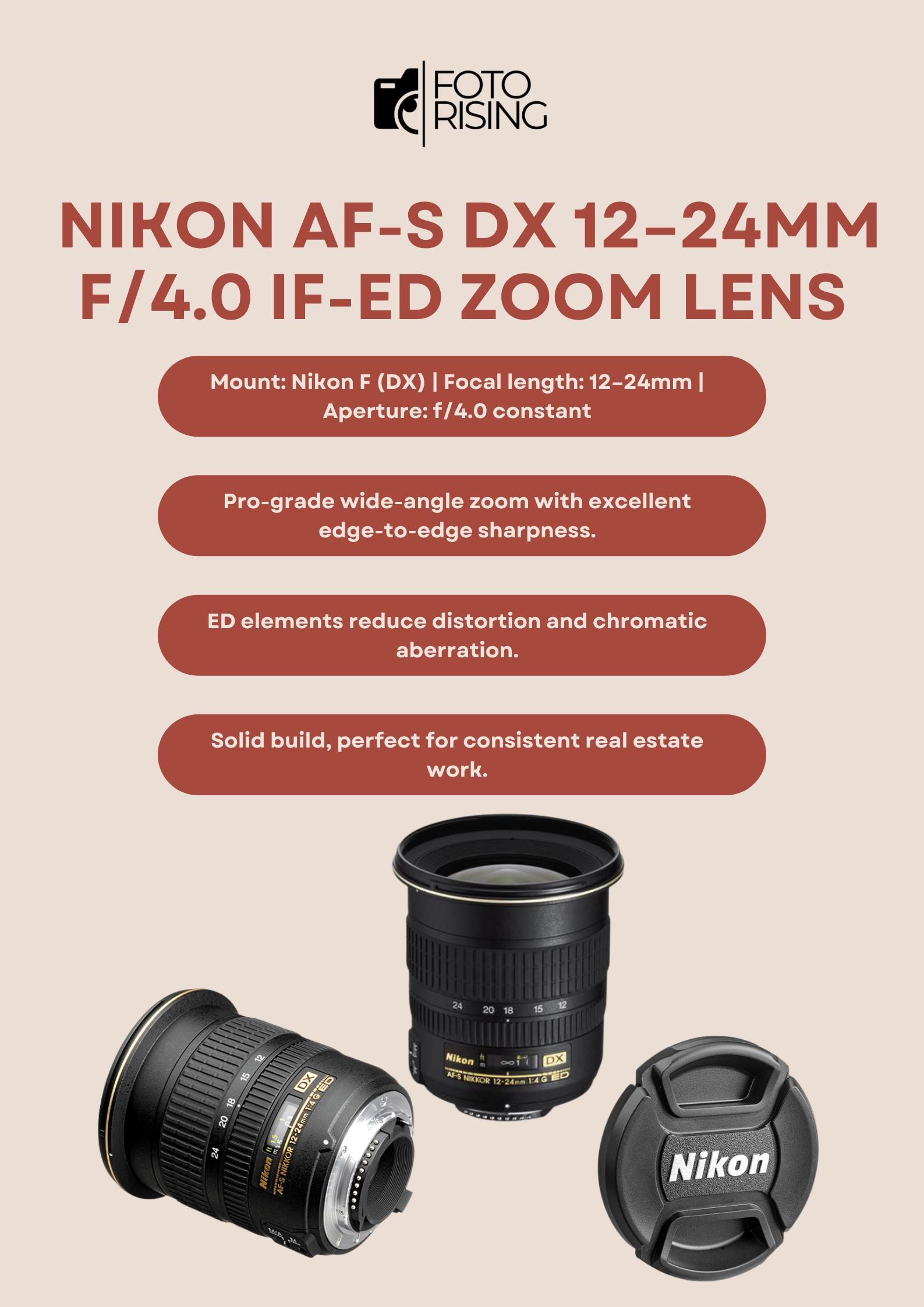
A wide-angle lens can help capture the full breadth of each room. Accessories such as a remote shutter release and lens filters further enhance your images.

Proper preparation is key to a successful photo shoot. Scout the property beforehand, noting any areas of challenging lighting or potential distractions. Clear clutter, open curtains, and turn on all lights to create an inviting atmosphere that will showcase the property in its best light.

3. Capturing The Images in Natural HDR Real Estate Photography

To capture stunning HDR images, set your camera to aperture priority mode. Then, adjust the exposure compensation to capture a range of exposures, from dark to light. Ensure each exposure is properly aligned and free of camera shake. Aim to capture one image for the highlights, one for the midtones, and one for the shadows. This ensures all necessary data for a well-exposed final image.

4. Editing Process for HDR Real Estate Photography

Crafting exceptional HDR real estate images entails not only capturing the right exposures but also adeptly editing them to achieve the desired outcome. Below is an outline of the HDR editing process:

a. Choosing appropriate software:

  • Variety of software options – A variety of software options are available for HDR editing. Among favored selections are Adobe Lightroom, Photomatix Pro, and Aurora HDR. Each offers distinct features and advantages. Therefore, researching and comparing them can help find the ideal fit for your requirements.
  • Selection based on needs – Factors like budget, user-friendliness, and compatibility with your existing workflow should be considered. While some software may boast advanced features, they might also entail a steeper learning curve. Hence, careful evaluation is necessary before making a decision.

b. Merging bracketed exposures:

  • Importing images – Initiate the HDR editing process by importing your bracketed exposures into the chosen software, typically as a set or sequence.
  • Alignment and merging – Utilize the software’s alignment and merging functions to combine the images into a single HDR image, blending different exposures to encompass the scene’s full luminosity range.
  • Creation of HDR image – Review it for any alignment or merging issues after generating the HDR image. If required, adjust settings or refine the merging process to achieve optimal results.

c. Fine-tuning the HDR image:

  • Adjustment of tone mapping settings – Tone mapping plays a crucial role in enhancing the dynamic range of the final image. Also, adjust the tone mapping settings to attain the optimal equilibrium of brightness, contrast, and detail within your HDR image.
  • Enhancement of colors, contrast, and sharpness – To elevate your HDR image, make adjustments to color balance, contrast, and sharpness as necessary. This might involve fine-tuning color saturation, contrast levels, or sharpening details for improved clarity.
  • Resolution of common HDR-related issues – Throughout the editing process, address common HDR-related issues such as ghosting (caused by movement between exposures) or noise (resulting from high ISO settings or aggressive merging). Utilize built-in software tools or adjust editing settings to rectify these issues.

Conclusion

Mastering natural HDR real estate photography requires technical skills, creative vision, and attention to detail. By following this guide’s workflow, you’ll capture stunning images for marketing. Embrace the challenge, experiment with different techniques, and watch as your photography skills soar to new heights.

Related post:
Real Estate Photography: A Definition Of Real Estate Photos?
REP: A Tutorial To Take Real Estate Photos For Beginners
Real Estate Photography: 5 Basic Types Of Real Estate Photos

Take Real Estate Photos With iPhone- 6 Easy Tips for Beginners

When entering the real estate photography industry, the first and foremost thing you should prepare is a good camera. However, have you ever thought that it is possible to take real estate photos with iPhone? 

If you are a newbie and just have a limited budget, an iPhone is a perfect option for rush cases. This concise article will suggest some top tips for captivating magazine-quality real estate images with a portable iPhone. 

6 Easy Tips To Take Real Estate Photos With iPhone

IPhone real estate photography gets 52.500.000 results per search on Google. The versatility of the phone in hand helps you to quickly snap photos while it is a very friendly budget for the low-end market. 

So, how to take real estate photos with an iPhone to make them compare with the DSRL camera? Keep reading for more interesting tips.

Tip #1: Consider External Lenses

The external lens attached to the outside of the iPhone adds depth of field to photos. You can include more parts such as floors, and ceilings. Particularly, an external lens can work well for long or large rooms without distorting the image.

The 18 mm lens is the starting point to give prospective customers a good visualization and the connection between rooms or the room layout. 

Tip #2: Shooting Time

Like real estate photography camera settings, shooting time is another decisive factor in determining the quality inputs. Yet what time is recommended for a captivative real estate photo? According to our REP community, the middle-bright day is the most suitable time for consistency in tonal range and light. Especially, it is not the time, where strong lights can cause harsh shadows, an irritating issue with any real estate photographers.  

Tip #3: Composition 

One of the most common mistakes made by newbie is they are not sure where the camera or iPhone should be placed. Corner and landscape mode are the most popular compositions for both DSLR cameras and iPhones. Nevertheless, many other creative angles you can divide into for an alluring image production.

Add Foreground Interest for Increased Depth

This simple yet crucial principle in real estate photography composition for an interior shot is to include interesting furniture near your camera, which leads viewers to the background. This composition intends to create a good flow in the room. In particular, it evokes the sense of viewers that they are the true owners of this gorgeous space.

Photograph Two Walls Whenever Possible

Despite being a small tip, it has a significant impact on the partial room you are going to capture. While photographing a one-wall photo makes it look small and cramped even flat, positioning the line separating the two walls turns the room into more inviting space. 

Trying to capture a three-wall composition could add depth of field however it could make the viewers feel that the room is narrow.

Focus on the Best Feature

Setting the focal point along with a rule of thirds grid lines, or the rule of thirds intersection is perfect to draw the viewers’ attention. Particularly, this combination creates well-composed images. 

For example, this image below demonstrates perfectly an airy space with gorgeous shine from the skylight. Who doesn’t want to enjoy taking a bath in this room? 

Tip #4: Using Tripod With Wireless Remote

Investing in an expensive tripod is unnecessary as the normal ones are sturdy enough for tack-sharp images. However, it is certainly the most important real estate gear you should have.

The versatility of utilizing a tripod is to avoid blurry or perfect work with low-light conditions. It is particularly handy in case of long working hours without the worry of arm hurt. 

Tip #5: Shoot Horizontally

Next, horizontal shooting is common with both exterior and interior real estate photography. This shooting method captures many details into one frame. As a result, prospective customers can feel how their life goes on in it. Once you reach the level of leveraging emotional connection with viewers, your photography steps to professionalism. 

Tip #6: Using Apps To Editing

Last but not least, using real estate photo editing apps increases convenience once they are paired with iPhone real estate photography. Manipulating images on apps by horizontal and vertical straightening, adjusting white balance, highlighting, and shadows, you could get a tack-sharp image at a fast pace.

Wrapping Up

Hopefully, our guide on how to take real estate photos with iPhone will help you feel that real estate photography is very lucrative. Inevitably, power tips as aforementioned along with creativity and a good understanding of real estate photography never make how to take real estate photos challenging.