
Hit enter to search or ESC to close
Trending Now

In today’s competitive real estate market, visual presentation plays a crucial role in attracting potential buyers. Most buyers begin their search online, where high-quality images can make or break their interest in a property. This is where virtual home staging becomes a powerful and effective solution.
What is Virtual Home Staging?
Virtual home staging is a digital process that enhances property photos by adding furniture, décor, and design elements. Instead of physically staging a home, designers use advanced editing tools to create realistic, fully furnished interiors.
This technique allows empty or outdated spaces to be transformed into stylish and inviting environments. As a result, buyers can better visualize how a property might look when lived in, which increases emotional engagement.
Why It Matters in Real Estate
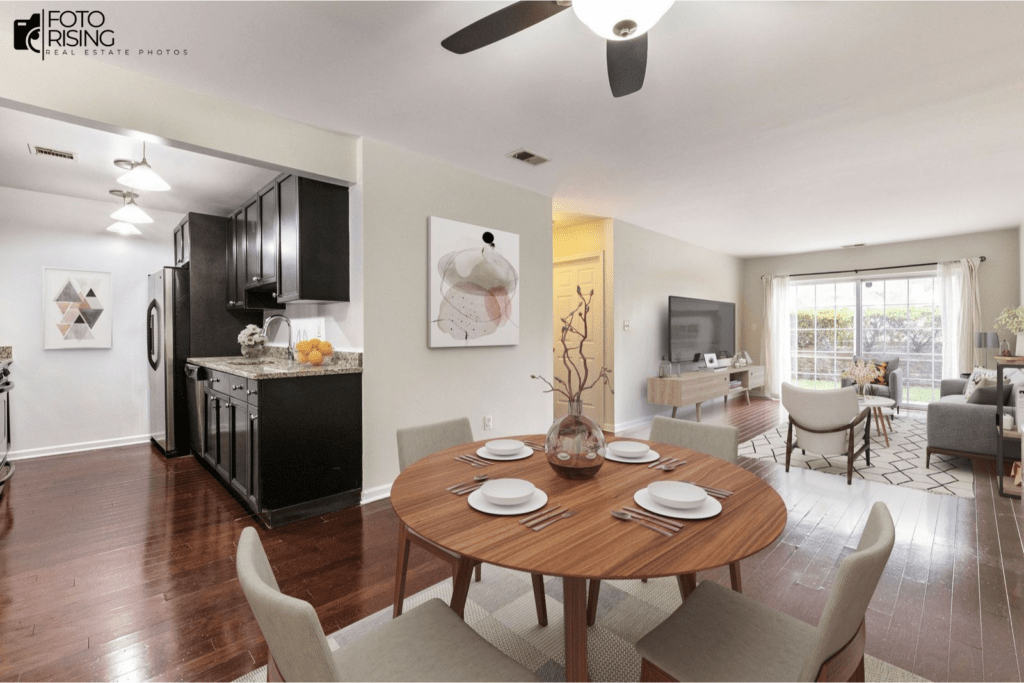
Empty rooms often feel cold and lack personality, making it difficult for buyers to connect with the space. By using virtual home staging, real estate agents can present properties in a way that highlights their full potential.
Well-staged images not only grab attention but also keep buyers interested longer. This increased engagement can lead to more inquiries, showings, and ultimately faster sales.
Key Benefits
One of the main advantages of virtual home staging is cost efficiency. Traditional staging requires renting furniture, hiring movers, and spending time on setup. In contrast, digital staging eliminates these costs while still delivering impressive results.
Another benefit is flexibility. Different styles—such as modern, luxury, or minimalist—can be applied depending on the target audience. This adaptability helps tailor each listing to the right group of buyers.
Additionally, turnaround time is much faster. Edited images can be delivered within a short period, allowing properties to be listed without delay.
How the Process Works
The process of virtual home staging begins with capturing high-resolution images of the property. These photos are then enhanced by professionals who add furniture, adjust lighting, and improve color balance.
Common techniques include:
- Adding realistic furniture and accessories
- Correcting lighting and shadows
- Enhancing colors for a natural appearance
- Removing unwanted items or imperfections
The goal is to create images that look both attractive and believable, without appearing overly edited.
Comparing Digital and Traditional Staging
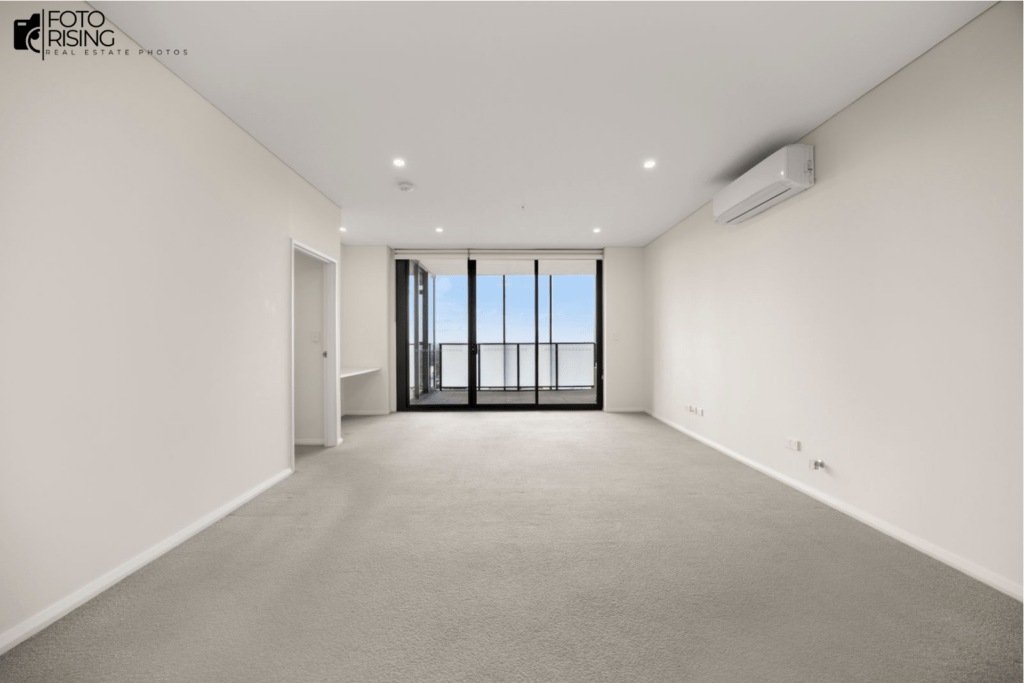
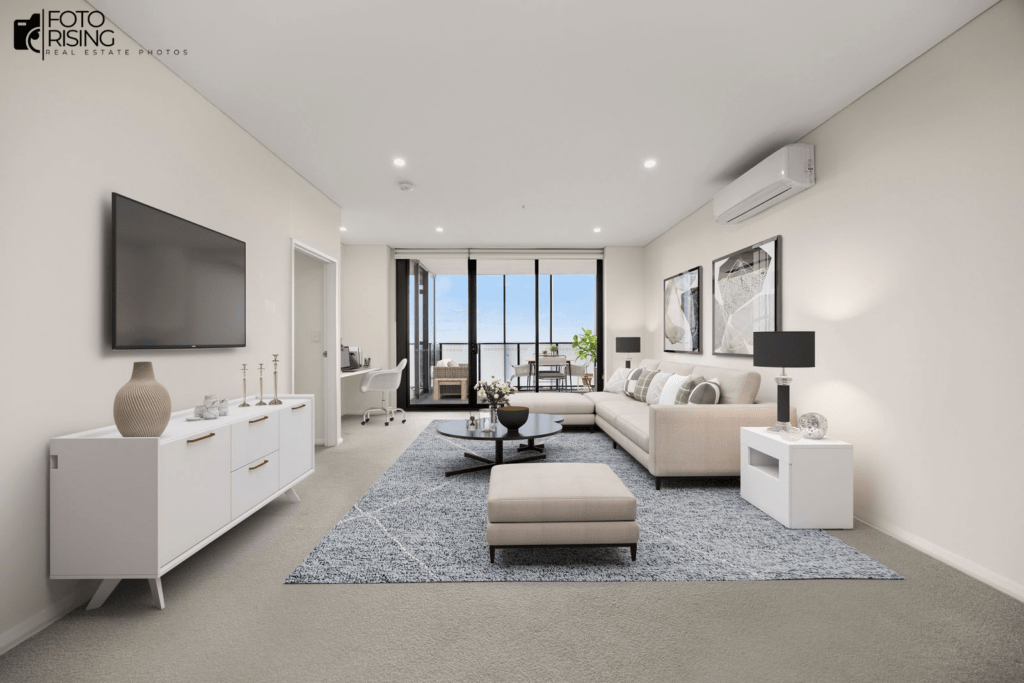
While traditional staging still has value, virtual home staging offers a more practical alternative for many situations. It removes logistical challenges and allows for easy revisions. If a design needs to be changed, it can be updated quickly without additional cost.
However, authenticity remains important. Overly dramatic edits or unrealistic designs can mislead buyers, so maintaining a natural look is essential.
Best Practices for Effective Results
To achieve the best outcome with virtual home staging, it’s important to follow a few key principles. High-quality source images are essential, as they directly impact the final result. Clean compositions and proper lighting will make staging more effective.
It’s also important to avoid overcrowding spaces. Simple, well-balanced designs tend to perform better and appeal to a wider audience. Choosing furniture that matches the style and scale of the property helps maintain realism.
The Future of Property Marketing
As technology continues to evolve, virtual home staging is becoming an essential tool in real estate marketing strategies. More professionals are adopting this approach to stay competitive and meet modern buyer expectations.
Online listings are now the first point of contact between buyers and properties. This makes visually appealing images more important than ever. Digital staging provides a way to consistently deliver those high-impact visuals.
Conclusion
In summary, virtual home staging offers a cost-effective, flexible, and efficient way to enhance property images. It helps transform empty spaces into inviting environments that attract attention and create emotional connections with buyers.
By using this, real estate professionals can improve listing performance, stand out in a crowded market, and ultimately achieve better results.
Read more:
Real Estate Photo Editing Outsourcing for Scalable Growth
3 Biggest Mistakes in Flambient Real Estate Photography – How to Master?
Real Estate Photography: 5 Basic Types of Real Estate Photos
One response to “Virtual Home Staging: A Modern Solution for Real Estate Marketing”
Great article! Virtual staging has really become a game changer in modern real estate marketing. Professionally staged images help buyers visualize the potential of a space much faster, especially for vacant properties.
At <a href="https://beatcolor.com/" rel="nofollow ugc">BeatColor</a>
, we’ve also seen how realistic virtual staging combined with natural editing can improve listing engagement and create a stronger first impression online. Clean design, accurate lighting, and realistic furniture placement make a huge difference in attracting buyers.
Thanks for sharing this insightful post about the benefits of virtual home staging!