
Hit enter to search or ESC to close
Trending Now

In real estate photography, flambient has become one of the most trusted techniques for producing clean, bright, and natural-looking interior images. While AI photo editing tools are evolving rapidly, many photographers and editors agree on one thing: AI alone is not enough to handle flambient photo editing properly.
This article explains what flambient editing really involves and why human expertise is still essential.
I. What Is Flambient Photo Editing?
Flambient is a photography and editing technique that combines two or more exposures—typically a flash image and an ambient light image—to create a balanced final photo.
- The ambient shot captures natural light, window views, and room atmosphere.
- The flash shot provides accurate colors, contrast, and sharp details.
During flambient photo editing, these images are manually blended to retain realistic lighting while avoiding harsh shadows, color casts, or blown highlights.
This process is widely used in high-end real estate photography because it delivers results that look natural, professional, and visually appealing.
II. Why Flambient Requires More Than Automation
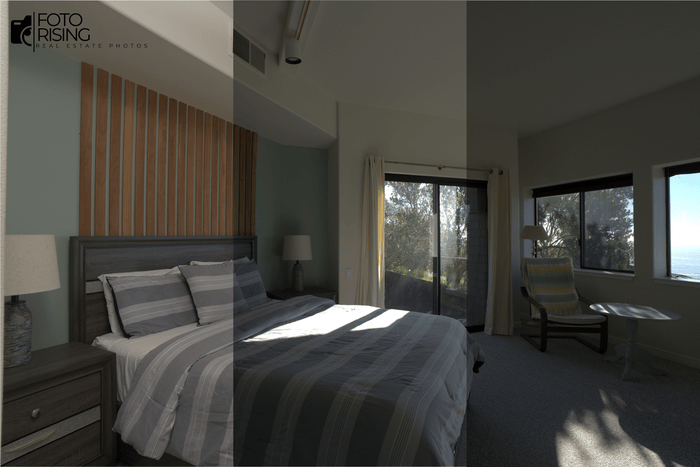
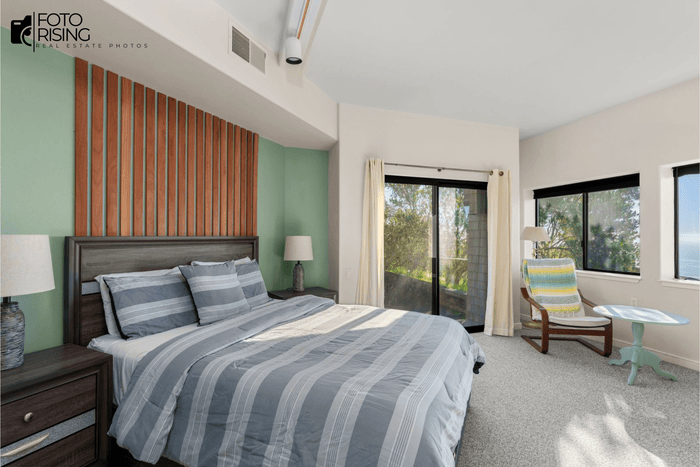
At first glance, it may seem like a task AI could easily handle—after all, it’s “just blending photos,” right? In reality, this editing ski involves complex visual decisions that AI struggles to interpret correctly.
1. Selective Blending Is a Creative Decision
Flambient editing is not about merging images automatically. An editor must decide:
- Which areas should use flash exposure
- Which areas should preserve ambient light
- How to blend ceilings, walls, floors, and windows differently
AI tools often apply global adjustments, which can result in flat lighting or unnatural transitions. A skilled editor understands how light behaves in real interiors.
III. Color Accuracy Is Critical in Flambient Editing
One of the biggest advantages of this technique is true-to-life color. Flash removes color casts from mixed lighting sources such as tungsten, LEDs, and daylight.
AI often:
- Overcorrects white balance
- Creates inconsistent tones between rooms
- Introduces artificial warmth or coolness
Human editors can fine-tune colors room by room, ensuring consistency throughout a property—something AI still fails to do reliably.
IV. Window Pulls and Highlights Need Precision
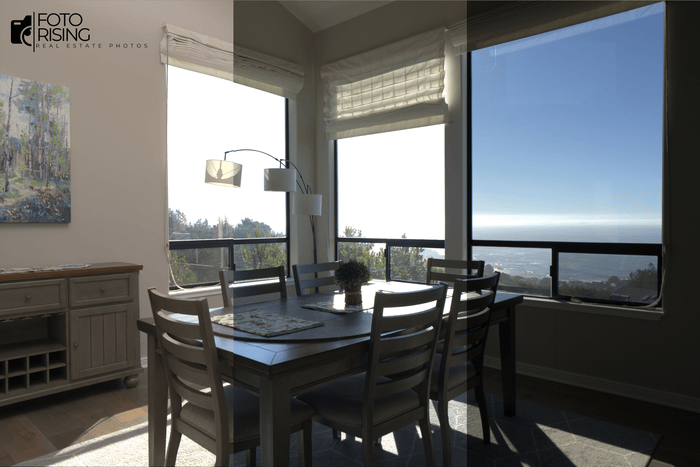
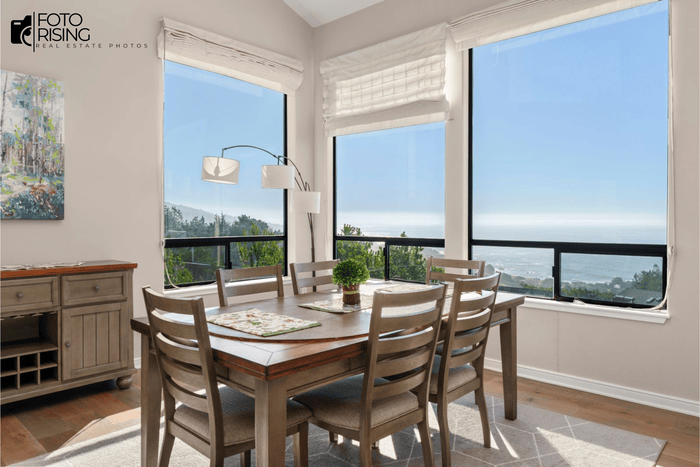
Window details are one of the hardest parts of flambient photo editing. AI may:
- Blow out exterior views
- Create halos around window frames
- Flatten contrast near bright highlights
Professional editors manually mask and blend window areas to keep exterior views crisp while maintaining interior brightness. This level of precision requires human judgment.
V. Flambient Is Not a One-Click Process
AI tools work best with predictable patterns. Flambient editing, however, changes with:
- Room size and layout
- Light direction
- Flash power and placement
- Time of day
Each image requires a custom approach. A living room with large windows demands different blending techniques than a small bathroom or kitchen. This variability is where AI consistently falls short.
VI. Why Professional Flambient Editing Still Matters
For real estate listings, image quality directly affects buyer perception, and poor flambient editing can make a space look artificial, overprocessed, and uninviting.
Professional flambient editors ensure:
- Natural lighting balance
- Clean verticals and geometry
- Realistic colors and textures
- Consistent quality across an entire shoot
AI can assist with basic adjustments, but it cannot replace the trained eye needed for premium results.
VII. The Best Workflow: AI Assistance + Human Expertise
AI is not useless—it can speed up minor tasks such as noise reduction or basic exposure correction. However, the final blend should always be handled by a professional editor.
This hybrid approach delivers:
- Faster turnaround
- Consistent quality
- Results that meet real estate industry standards
VIII. Conclusion
Flambient photo editing is both technical and artistic. While AI continues to improve, it lacks the contextual understanding and creative judgment required for high-quality results.
For photographers and real estate professionals who value accuracy, realism, and visual impact, human expertise remains irreplaceable. AI may support the process—but when it comes to flambient, it is simply not enough on its own.
Read more:
AI Tools for Real Estate Photo Editing: Reinventing Property Marketing
What is The Power of Real Estate Photography?
How Long Does It Take to Be a Professional Photography Editor?
4 responses to “Flambient Photo Editing: Why AI Is Not Enough for This Technique”
Great post! I’m going to share this with a friend.
[…] lasting impression, investing in high-quality photorealistic 3D rendering is a smart move.Read more:Flambient Photo Editing: Why AI Is Not Enough for This TechniqueHow Long Does It Take to Be a Professional Photography Editor?What is The Power of Real Estate […]
This article offers a clear and insightful explanation of why flambient editing requires true skill beyond simple automation. I especially appreciate how it highlights the importance of color accuracy, window precision, and the creative judgment only human editors can provide. For those interested in refined <a href="https://beatcolor.com" rel="nofollow ugc">flambient photo editing service</a>, this perspective truly reinforces the value of expert craftsmanship.
This is a great breakdown of why the human touch remains irreplaceable in complex blending techniques. The comparison between AI limitations and professional precision really highlights the value of quality <a href="https://beatcolor.com/services/virtual-dusk/" rel="nofollow ugc">photo editing service</a> in the real estate industry.