
Hit enter to search or ESC to close
Trending Now


Portrait photography is one of the most emotional genres in modern visual art, because it doesn’t only show what people look like—it reveals personality, mood, and even hidden stories. When we see a compelling portrait of someone, we don’t just notice their face; we connect with who they are. That is what makes a professional result truly memorable, and why so many photographers continuously explore this creative field.
What Makes a Strong Portrait
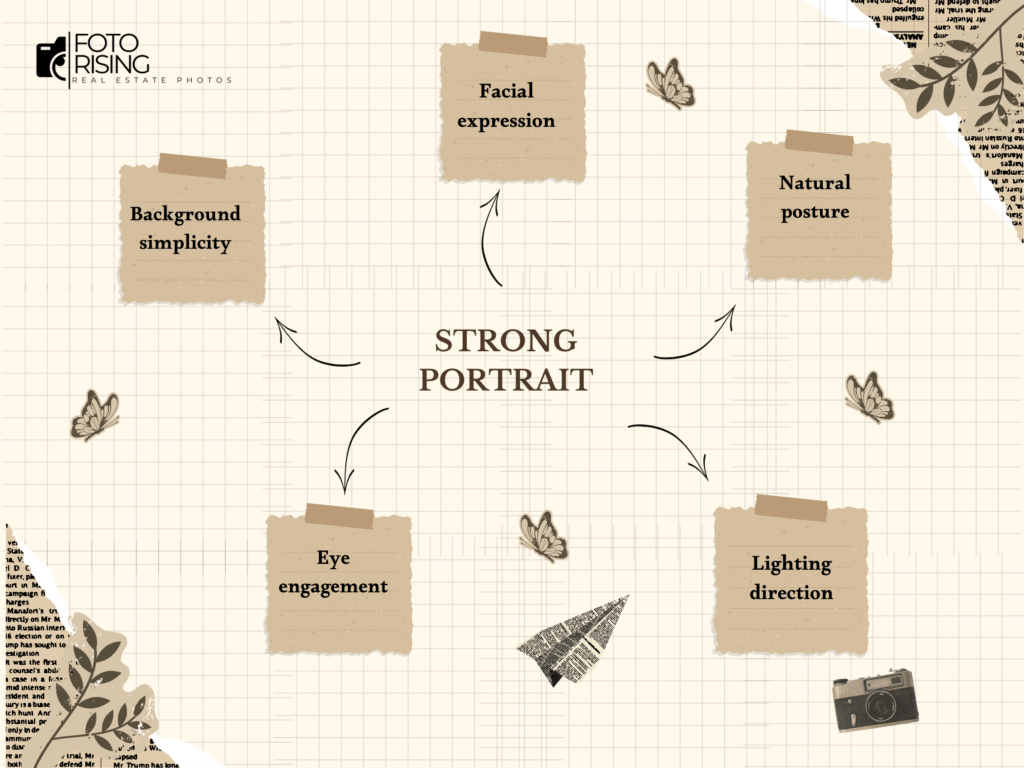
A great portrait feels authentic. Instead of a forced pose and a generic smile, viewers want to see honest expression. The eyes play the biggest role here, since they are naturally the first point of connection. Whether the subject is smiling confidently or simply thinking deeply, real emotion communicates more powerfully than any dramatic pose.
Good photographers pay attention to:
- Facial expression
- Natural posture
- Lighting direction
- Eye engagement
- Background simplicity
Bringing these elements together is how an image becomes visually and emotionally effective.
Lighting and Mood
Light determines the mood of every portrait. Soft natural light during golden hour produces warm, flattering tones, while indoor studio lighting allows more creative control. Photographers often use window light, softboxes, or reflectors to reduce harsh shadows. Meanwhile, classic lighting styles like Rembrandt or butterfly lighting give structure to the face and create depth. Understanding how shadows fall across features will immediately improve the emotional feel of your work.
Helping the Subject Feel Comfortable
Even with perfect settings, a portrait will feel lifeless if the person is tense. That’s why communication matters. A friendly and relaxed atmosphere encourages genuine emotion. Instead of telling someone to “pose,” try directing them gently, asking them to think of a meaningful memory, or simply chatting naturally. These small steps help them forget the camera and reveal their real expressions.
Choosing a Supportive Background
The background should support the subject, not compete with them. A minimal environment helps the viewer focus where they should—on the person. Many photographers shoot with a shallow depth of field to blur the background and let the face stand out sharply. Outdoor locations like parks or architectural spaces can add storytelling elements as long as the person remains visually dominant in the portrait.
Camera Settings
Technical settings are the foundation of a sharp and beautiful portrait. Wide apertures such as f/1.8 or f/2.8 create background blur while highlighting the eyes, which must always stay in focus. A shutter speed of 1/200 or faster prevents unwanted motion blur, and a lower ISO keeps textures clean. Longer focal lengths like 85mm or 135mm are popular choices for flattering the subject and achieving pleasing depth.
Composition and Creativity
Composition determines how viewers move through the frame. The rule of thirds is commonly used to position the person off-center, giving the portrait a more natural flow. Leading lines, symmetry, and negative space also influence visual storytelling. Breaking rules is perfectly acceptable as long as the final result communicates emotion and personality.
Editing Style
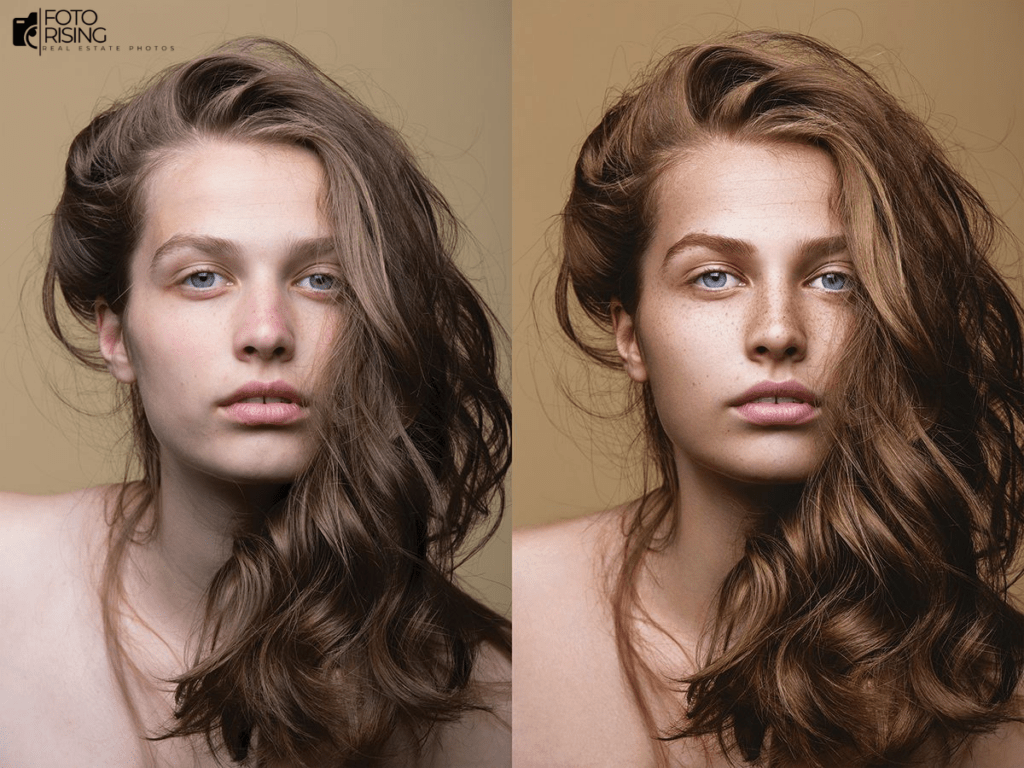
Editing enhances colors, contrast, and skin tones, but subtlety is important. Heavy retouching can erase natural character, while gentle adjustments keep the face realistic. Color grading adds emotional tone—warm tones appear friendly, cooler tones feel dramatic, and black-and-white editing emphasizes emotion by removing distractions. Your editing approach should highlight the story inside the portrait instead of overpowering it.
Why Portrait Photography Matters
A portrait preserves moments that quickly disappear—childhood expressions, family history, professional achievements, or simply the way someone looked at a specific time. These images become emotional memories, not just photos. They remind us of personal connections and human experiences. Long after the moment has passed, a portrait remains as evidence of who we were and what we felt.
Final Thoughts
The most meaningful portrait is not created by expensive gear, but by empathy and observation. When lighting, expression, composition, and editing work together, the final image becomes more than just a picture—it becomes a powerful story. With practice, patience, and curiosity, your work will gradually evolve into expressive and unforgettable visual experiences.
Read more:
Flambient Photography: Complete Guide for Real Estate
360 Virtual Tour: Boost Visibility and Sales
3 Biggest Mistakes in Flambient Real Estate Photography – How to Master?
One response to “The Art of Portrait Photography: Capture Emotion with Ease”
Great article! Capturing real emotion is what truly makes a portrait stand out.
I completely agree that natural expressions and eye connection are key elements in creating a strong image.
At the same time, subtle editing also plays an important role in enhancing mood without losing authenticity—services like <a href="https://phephotos.com/" rel="nofollow ugc">Phephotos</a> can really help refine that final look.